
 By
By 
You might be feeling a mix of worry and guilt every time you run your tongue over that chipped tooth or sensitive spot. Maybe you have a filling that has started to ache, or you are trying to ignore a cracked molar because life is already busy and the idea of sitting in a dental chair sounds overwhelming-but finding a trusted dentist in Redmond, WA could make that next step feel much easier.
If that sounds familiar, you are not alone. Many people wait until something hurts a lot before they see a general dentist, then feel frustrated when the solution seems bigger or more expensive than they expected. The good news is that most common problems can be handled with a small group of reliable treatments. When you understand what those treatments are and why they are used, the whole experience feels less scary and more like a plan you can manage.
This guide will walk you through 4 common restorative services in general dentistry. You will see what each one is for, what it feels like, and how to think about cost and long term impact. By the end, you should feel more prepared to ask clear questions, make calm decisions, and protect your teeth before they become an emergency.
Why does restorative dentistry feel so stressful in the first place?
Restorative care sounds simple. Something breaks or decays, and your general dentist fixes it. In real life, it rarely feels that straightforward. There is the fear of pain, the worry about missing work, and the pressure of money. You might also be carrying old memories of a bad dental visit from years ago.
Here is where the tension usually starts. A small problem shows up. Maybe a bit of sensitivity to cold drinks, or food catching between teeth. It is easy to brush it off. Over time the decay or crack grows, but you adjust. You chew on the other side. You avoid certain foods. By the time you call a general dentist, the tooth may need more than a quick filling.
Because of this, restorative treatment can feel like a punishment for waiting, instead of the support it is meant to be. So where does that leave you? It helps to know what your options actually look like before you are sitting in the chair.
1. Tooth colored fillings for small to medium cavities
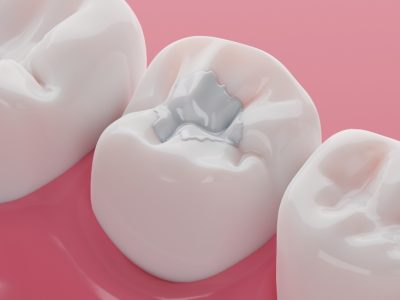
Fillings are the workhorse of general dental treatment. When decay is caught early, a filling can remove the damaged part of the tooth and rebuild it so you can chew comfortably again.
Most modern dentists use tooth colored materials such as composite resin. These bond to your tooth and blend with your natural shade. The American Dental Association explains different materials used for direct restorations, including how they are chosen for strength, appearance, and location in your mouth.
Common worries with fillings are pain and durability. Numbing keeps the procedure comfortable for most people, and sensitivity afterward usually fades within days or weeks. If decay is very deep, your dentist may discuss extra steps to protect the nerve or may warn that a future root canal is possible.
What if you keep putting off a needed filling. The cavity can reach the nerve, turn into an infection, and suddenly you are choosing between a root canal or removing the tooth. A filling is almost always the smaller, easier, and cheaper path when done early.
2. Dental crowns when a tooth is badly damaged
A crown is like a protective cap that covers the entire visible part of a tooth. It is used when there is not enough healthy tooth left for a filling alone. This can happen after a large cavity, a fracture, or a root canal.
Emotionally, crowns can feel like a big step. You might think “If the tooth is that damaged, why not just pull it.” The answer is that keeping your natural tooth usually protects your bite, your jaw, and even your facial shape. Once a tooth is gone, the surrounding teeth start to shift, and replacement options like bridges or implants are usually more involved than a crown.
Crowns are often made from porcelain, ceramic, metal, or a mix. The process usually takes two visits. One to shape the tooth and place a temporary crown. Another to cement the final crown once it is made. Many people are surprised at how normal the tooth feels after a short adjustment period.
3. Root canal treatment to save an infected tooth
Few phrases trigger more anxiety than “You need a root canal.” Yet modern root canal therapy is designed to relieve pain, not cause it. When the nerve inside a tooth becomes inflamed or infected, you may feel intense throbbing pain, swelling, or sensitivity that does not go away. A root canal removes the damaged nerve tissue, cleans the inside of the root, and seals it to stop infection.
Without treatment, the infection can spread, form an abscess, and affect your overall health. At that point you might end up in an emergency room or need more extensive care. With treatment, the pain usually eases quickly once the infected tissue is removed.
After a root canal, most back teeth need a crown to protect them from breaking. So when you hear “root canal,” it is helpful to think “two step process.” First, calm the infection. Second, strengthen the tooth so it can last.
4. Dental bonding and simple restorations for chips and wear
Not every restorative service is about deep decay or infection. Many people live with small chips on front teeth, worn edges, or gaps where food gets stuck. These might not hurt, but they can affect how you feel when you smile and how comfortably you chew.
Dental bonding uses tooth colored material to reshape or rebuild these areas in a single visit. It is often done with little or no numbing, and it can be a gentle way to restore confidence after an accident or years of grinding. While bonded areas are not as strong as crowns, they are often a practical, lower cost option for small repairs.
How do these general dentist treatments compare in real life?
When you are trying to choose a treatment, it helps to see the trade offs side by side. Every mouth is different, but this overview can give you a clearer starting point for your questions.
| Service | Typical use | Comfort during care | Longevity when well cared for | Impact if delayed |
|---|---|---|---|---|
| Tooth colored filling | Small to medium cavities, minor chips | Usually comfortable with local numbing | Many years, sometimes a decade or more | Cavity grows, may need crown or root canal later |
| Crown | Large decay, cracked tooth, after root canal | Numbing used, some temporary soreness | 10 to 15 years or longer with good care | Tooth may fracture or be lost entirely |
| Root canal | Infected or severely inflamed nerve | Numbing used, often relieves strong pain | Tooth can last many years, often with a crown | Infection spreads, abscess, possible tooth loss |
| Bonding / simple restoration | Small chips, wear, minor gaps | Often no numbing needed | Several years, may need touch ups | Chips can worsen, more complex repair needed |
One more thing to remember. General dentists are trained to coordinate your care and refer when something is more complex. For example, some situations are better handled by a specialist such as an oral and maxillofacial surgeon. You can see how general dentistry fits within that bigger picture through resources like this overview from UC Davis on general dentistry and related services.
What can you do right now to protect your teeth?
Knowledge helps, but action is what changes how your mouth feels day to day. Small steps now often prevent bigger, more expensive treatment later. Here are three practical moves you can make, even if you feel hesitant.
1. Schedule an exam before you are in crisis
Waiting until you are in severe pain limits your options. A calm checkup and set of X rays gives your dentist a chance to catch problems early. If you are anxious, tell the office when you book. Ask for extra time to talk through findings. A good general dentist will respect that you need to understand, not just be told.
2. Ask for plain language explanations and options
During the visit, ask your dentist to show you images and describe what is happening in simple terms. Questions like “What happens if I do nothing for now” or “Is there a smaller step we can start with” can reveal choices you did not realize you had. This turns treatment from something being done to you into a plan you share control over.
3. Make a realistic, staged care plan
If you need more than one restorative service, it can feel overwhelming. Ask your dentist to prioritize. Which tooth is at highest risk. Which treatment can wait a few months. Many offices can create a phased plan that fits your budget and schedule. Even committing to fix one problem tooth this season is better than doing nothing and hoping the pain stays away.
Moving forward with more confidence about restorative care
You do not have to know every technical detail of restorative dental treatment to make good choices. You only need a clear picture of the main options and the courage to ask questions until you feel steady.
Those small aches, chips, or sensitive spots are your mouth asking for attention, not accusing you. When you respond early, treatments are usually simpler, more comfortable, and kinder to your budget. When you wait, you are more likely to face bigger procedures like crowns or root canals under pressure.
You deserve to eat, speak, and smile without flinching. Reaching out to a trusted general dentist and starting the conversation is the first real step toward that.










Comments